ISO 22000 and HACCP Certification in UAE: Food Safety Requirements Explained
Food safety is regulated closely in the UAE, and buyers across hospitality, retail, catering and export expect proof that your food safety system works. Two of the most requested credentials are HACCP and ISO 22000. This guide explains how they relate, who needs them, and how the certification process works for food businesses in Dubai, Abu Dhabi and across the UAE.
What Is HACCP?
HACCP stands for Hazard Analysis and Critical Control Points. It is a preventive method that identifies biological, chemical and physical hazards in food production and sets controls at the points where those hazards can be prevented, removed or reduced to a safe level. It is built on seven principles, including hazard analysis, critical control points, critical limits, monitoring, corrective actions, verification and record keeping.
What Is ISO 22000:2018?
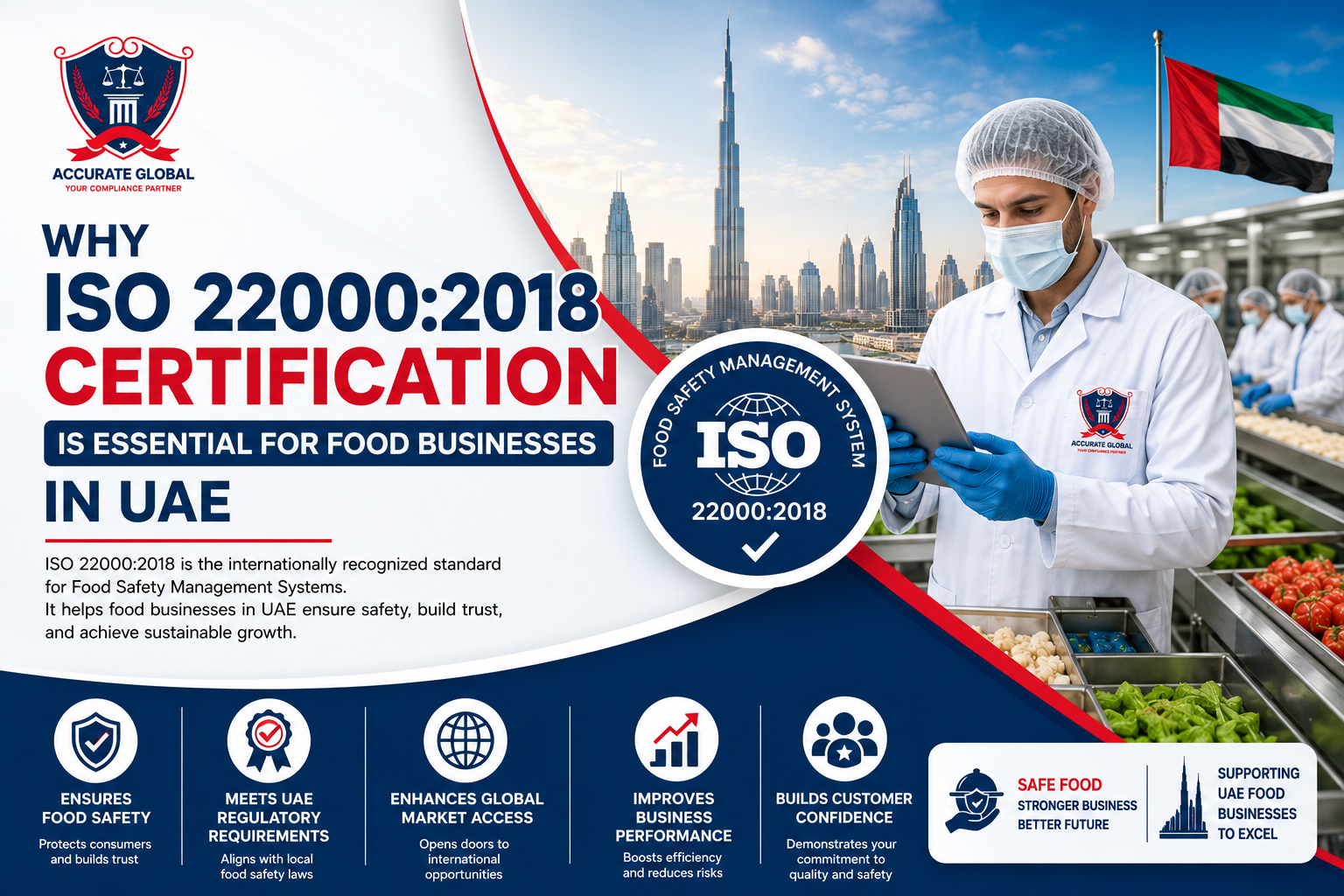
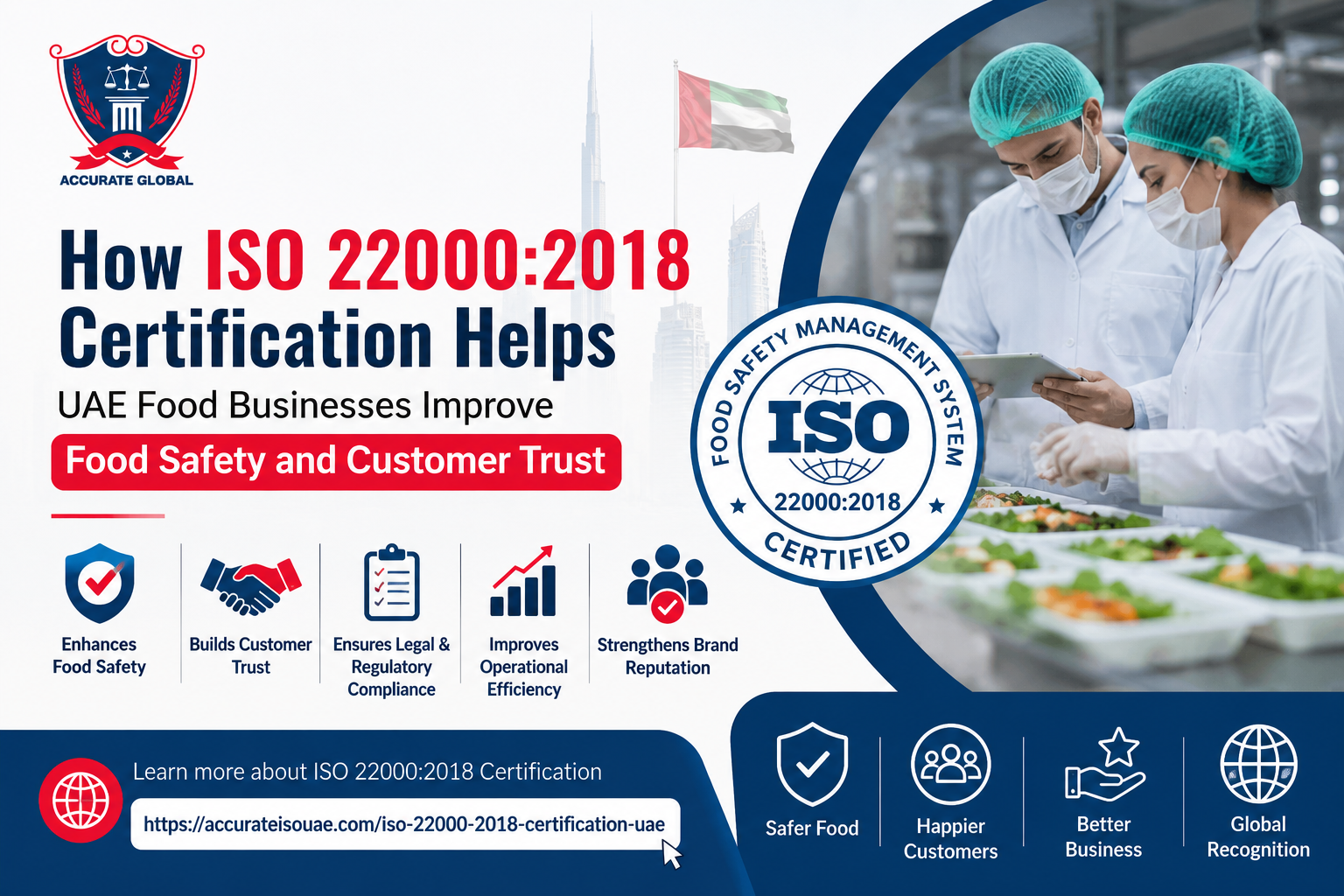
ISO 22000:2018 is an international food safety management system standard. It includes HACCP principles but adds a full management system around them: leadership commitment, communication across the food chain, prerequisite programmes, planning, internal audits and continual improvement. It applies to any organisation in the food chain, from farms and manufacturers to packaging, storage, transport and food service.
HACCP vs ISO 22000: The Key Differences
- Scope: HACCP focuses on hazard control; ISO 22000 covers the whole management system.
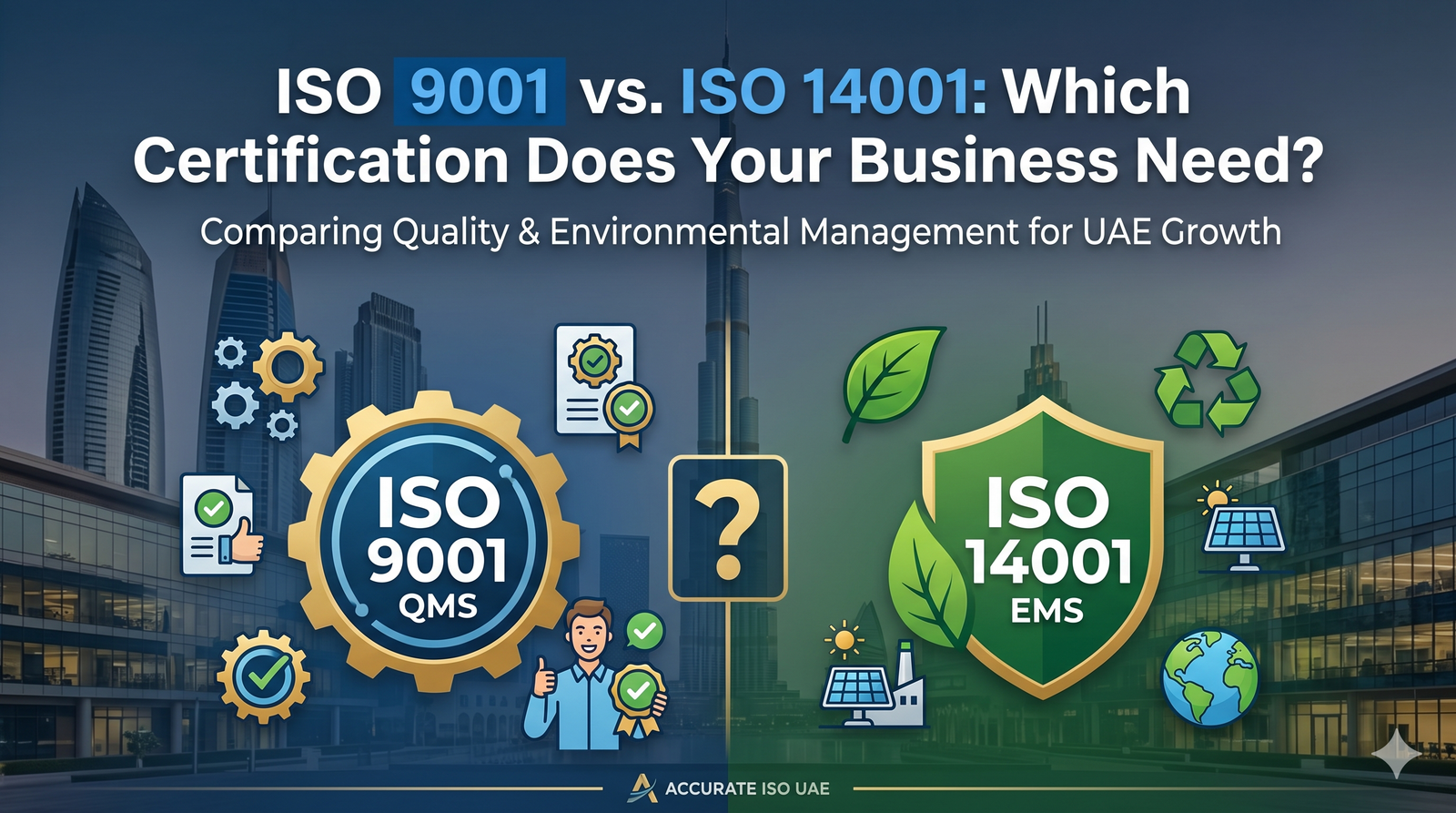
- Structure: ISO 22000 follows the high-level structure shared with ISO 9001 and ISO 14001, so it integrates easily with other systems.
- Recognition: ISO 22000 is widely recognised by international buyers and is often required in supplier approval.
- Certification: Both can be audited by a certification body, but you should confirm which one your customer or authority expects.
Who Needs These Certifications in the UAE?
- Restaurants, hotels and catering companies.
- Food manufacturers, processors and packers.
- Cold storage, warehousing and logistics providers.
- Food traders, importers and distributors.
- Packaging suppliers serving the food industry.
Requirements can also come from municipalities, hotel chains, retailers and export markets, so always check what your customers and local authority ask for.
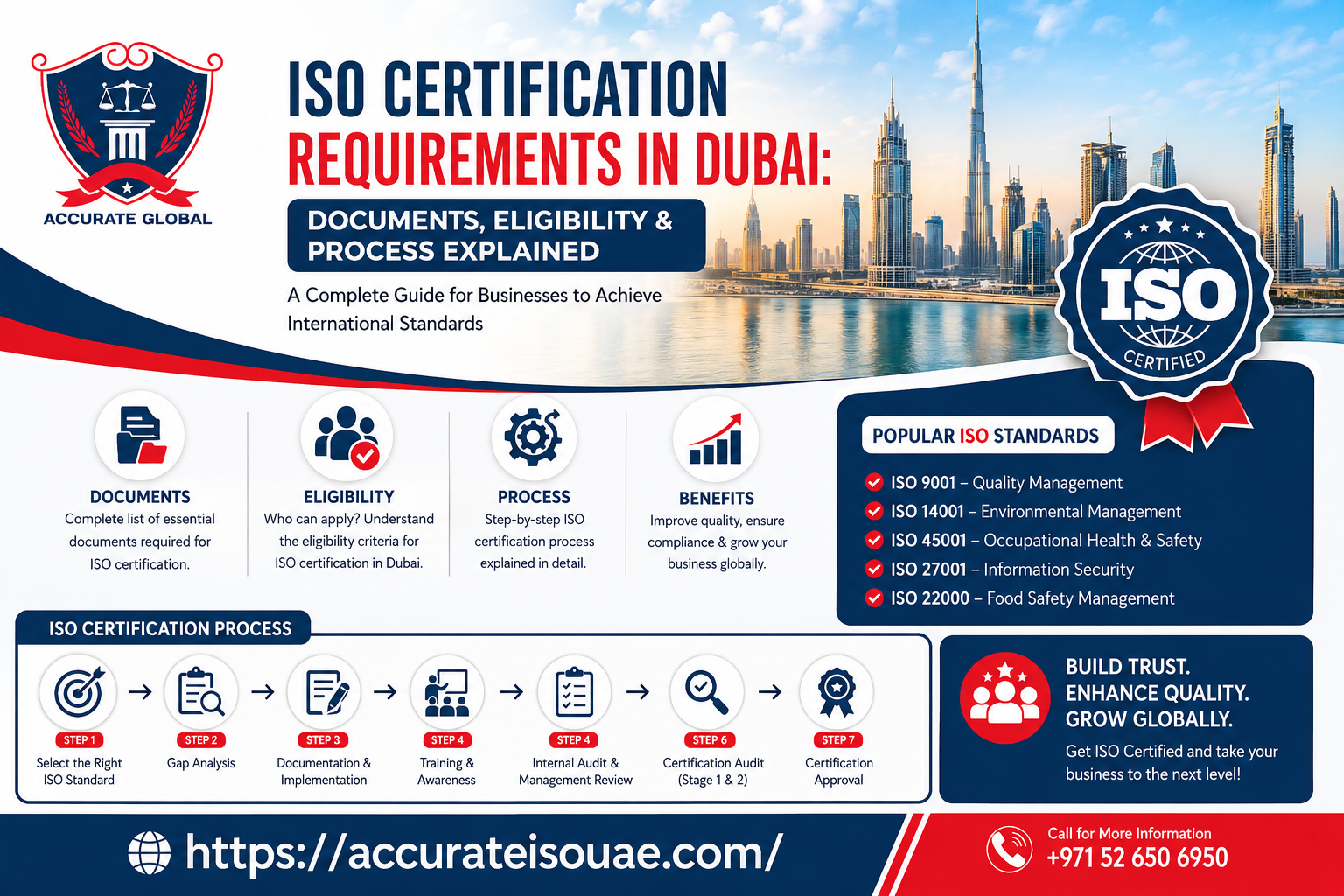
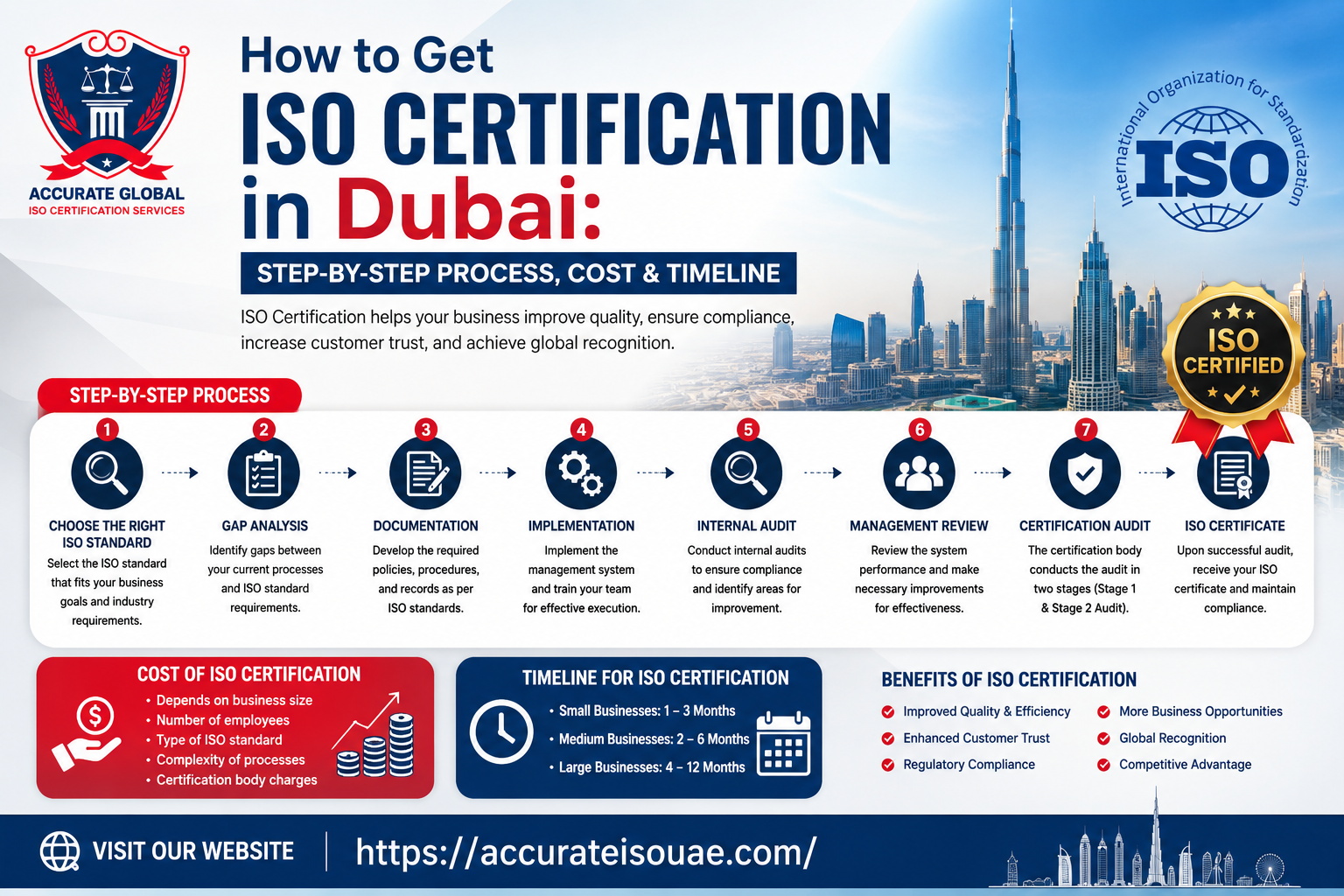
Steps to Get Certified
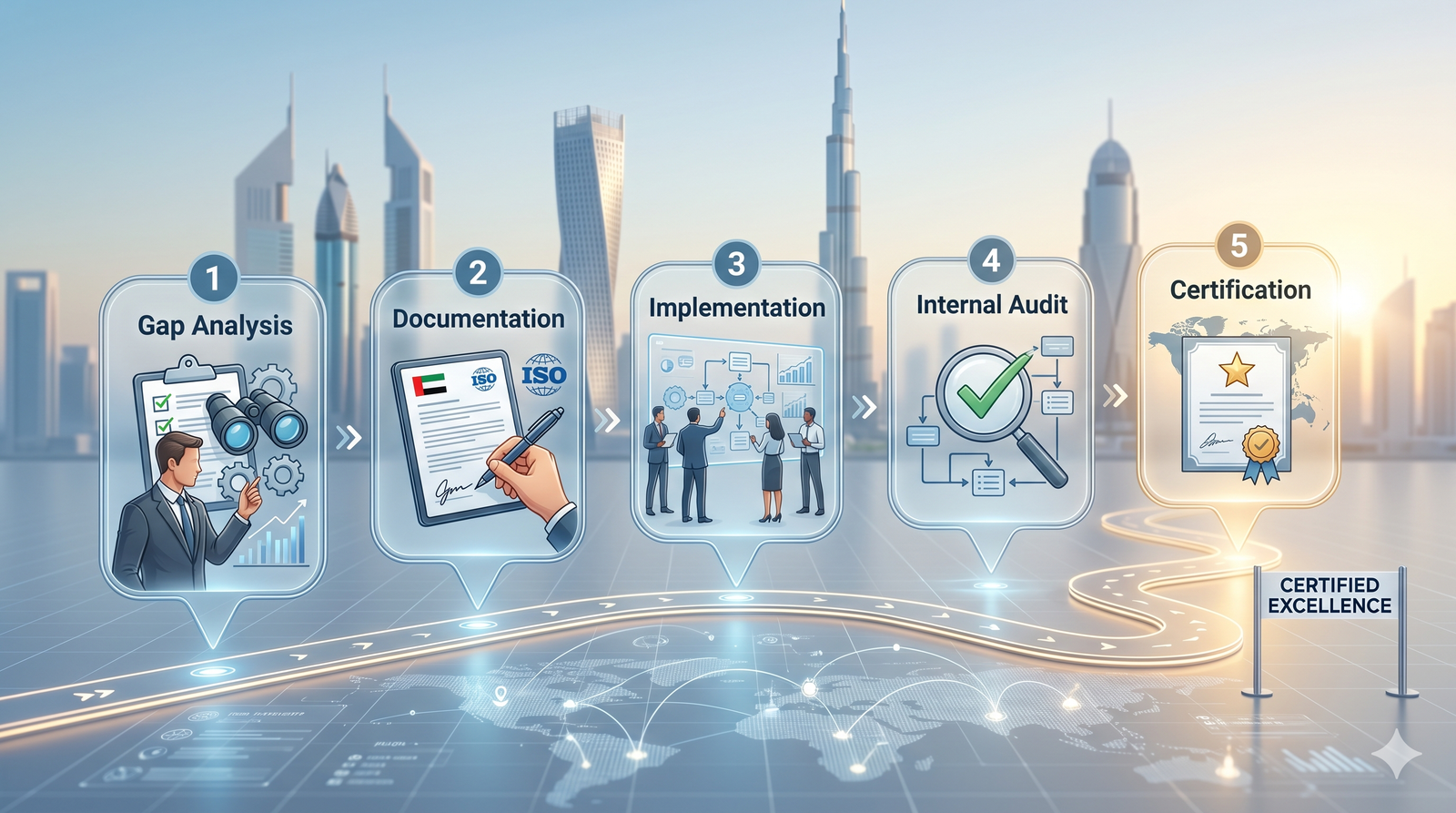
- Gap assessment: Compare current practices with the standard or HACCP requirements.
- Build the food safety team: Appoint a team leader and cross-functional members.
- Prerequisite programmes: Set up hygiene, cleaning, pest control, traceability, supplier approval and allergen controls.
- Hazard analysis and HACCP plan: Identify hazards, critical control points and monitoring methods.
- Training and records: Train staff and keep reliable monitoring and verification records.
- Internal audit and management review: Verify the system before the external audit.
- Certification audit: Stage 1 and Stage 2 audits by the certification body, followed by corrective actions if needed.
Benefits for UAE Food Businesses
- Lower risk of contamination, recalls and customer complaints.
- Stronger position in supplier approvals and tenders.
- Better control of waste, traceability and supplier quality.
- Increased customer trust in your brand.
Common Mistakes
- Treating the HACCP plan as a one-time document instead of a living system.
- Weak monitoring records or missing corrective action evidence.
- Ignoring allergen management and supplier controls.
- Not training new staff before the audit.
Start Your Food Safety Certification
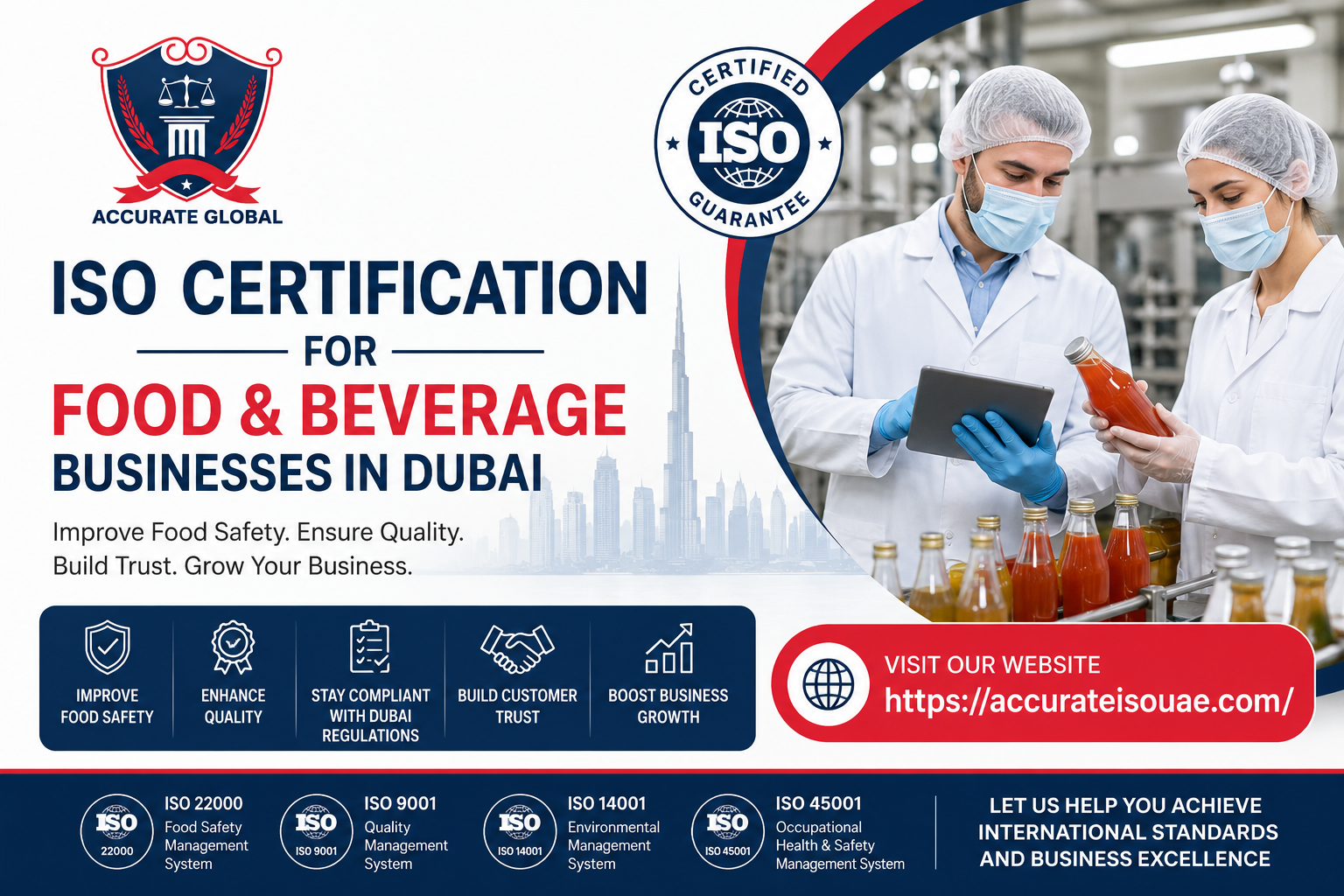
Learn more about our HACCP certification and ISO 22000:2018 certification services, or read our related guide on ISO certification for food and beverage businesses in Dubai. When you are ready, apply online or contact us.
Frequently Asked Questions
Is ISO 22000 the same as HACCP?
No. HACCP is a hazard control method, while ISO 22000 is a complete management system that includes HACCP principles.
How often are audits required?
After certification, surveillance audits are typically carried out annually, with a recertification audit at the end of the three-year cycle.
Can a small cafe or kitchen get certified?
Yes. The system should be sized to the business, but the hazard analysis, records and training must still be real and effective.
.png)
.png)
.png)
.png)
.png)
.png)
.png)