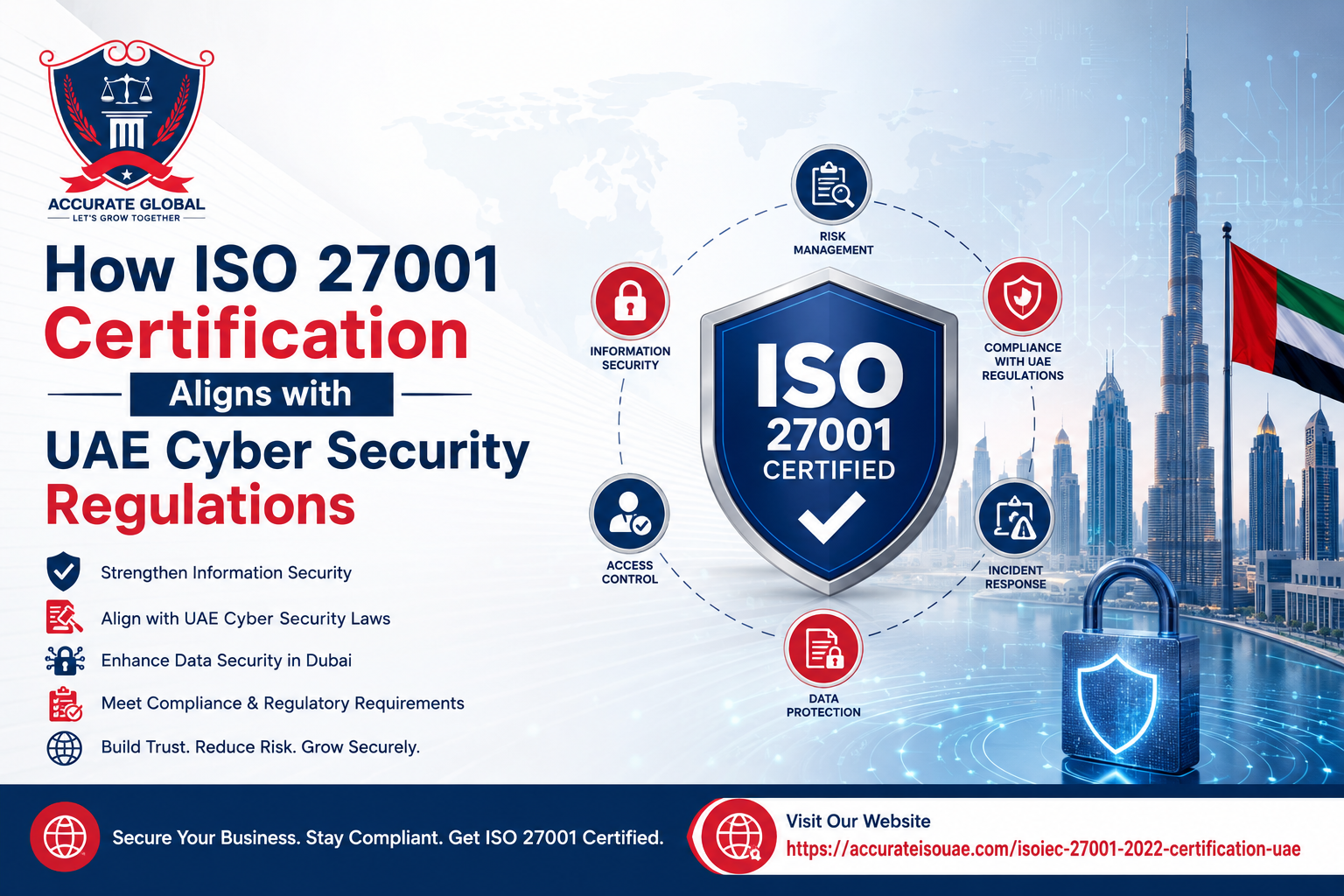
How ISO 27001 Certification Aligns with UAE Cyber Security Regulations
As digital transformation accelerates across the UAE, organizations are facing increasing pressure to protect sensitive information, secure customer data, and comply with evolving cyber security laws. Government authorities and regulatory bodies have introduced stringent frameworks to strengthen national cyber resilience and reduce the risks associated with cyber threats.
For businesses operating in sectors such as finance, healthcare, technology, logistics, and government contracting, compliance is no longer optional—it is a strategic necessity. One of the most effective ways to demonstrate commitment to information security and regulatory compliance is through ISO 27001 certification in UAE.
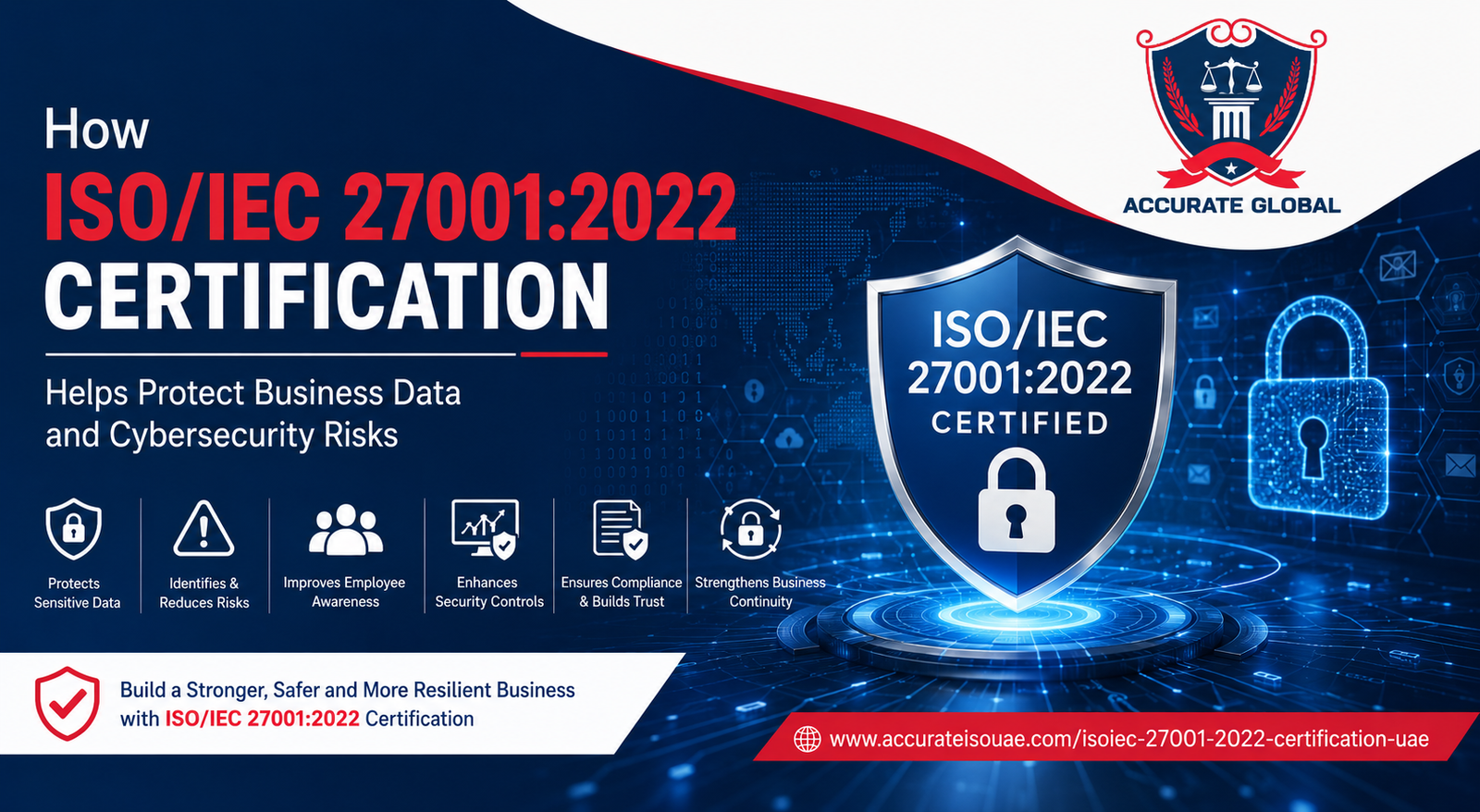
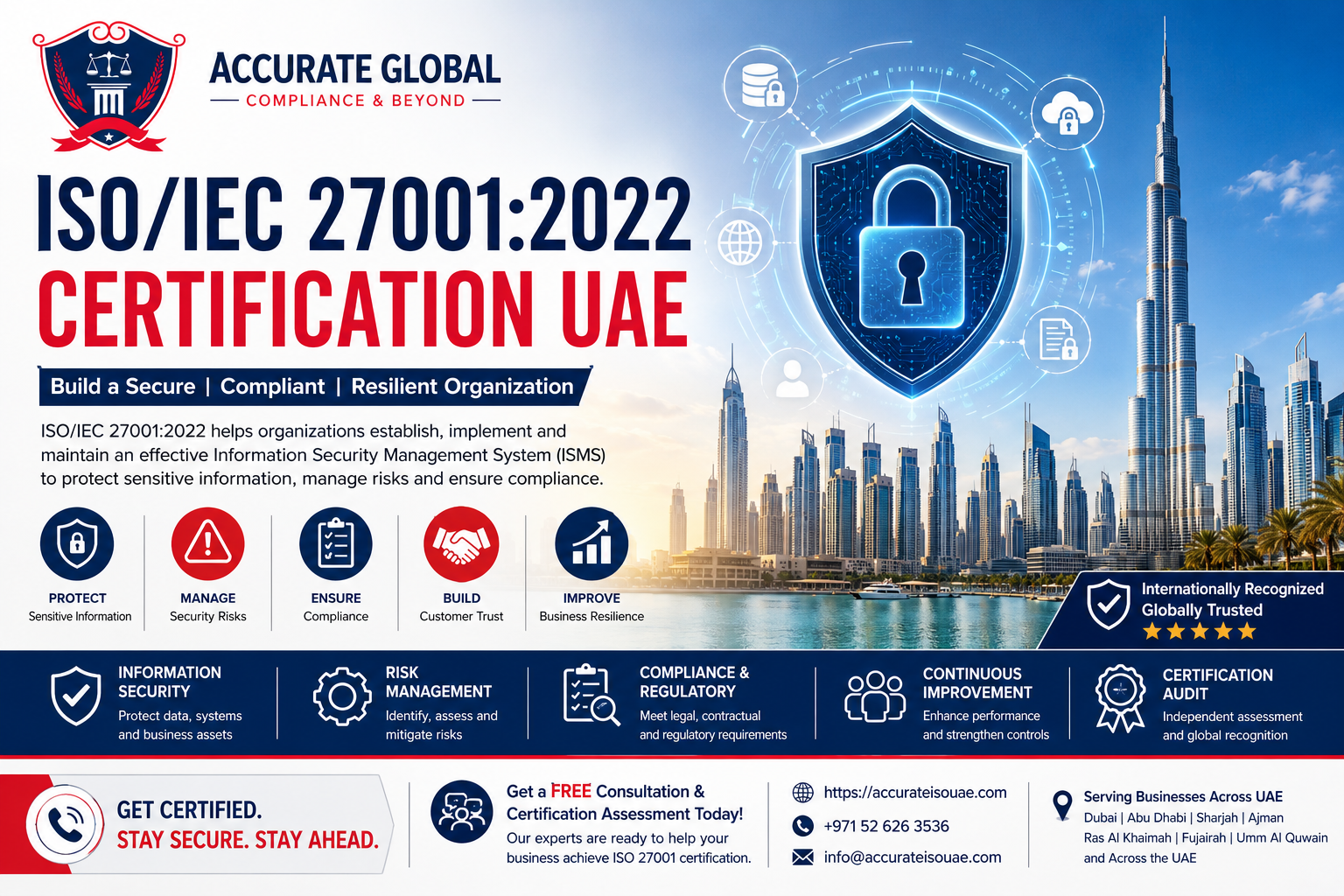
ISO/IEC 27001 is the internationally recognized standard for Information Security Management Systems (ISMS). It provides a systematic framework for identifying, managing, and mitigating information security risks while helping organizations align with UAE cyber security regulations and industry-specific requirements.
Understanding UAE Cyber Security Regulations
The UAE has established several cyber security initiatives and regulatory frameworks designed to safeguard critical infrastructure, government systems, and private-sector organizations. These frameworks focus on ensuring confidentiality, integrity, and availability of information assets.
Key cyber security initiatives in the UAE include:
- UAE National Cybersecurity Strategy
- Information Assurance Standards
- National Electronic Security Authority (NESA) Guidelines
- Dubai Electronic Security Center (DESC) Cyber Security Framework
- UAE Personal Data Protection Law (PDPL)
- Sector-specific cyber security requirements for banking, healthcare, and government entities
These regulations require organizations to implement effective security controls, risk management processes, incident response mechanisms, and continuous monitoring practices.
What is ISO 27001 Certification?
ISO 27001 is an internationally accepted standard that helps organizations establish, implement, maintain, and continually improve an Information Security Management System (ISMS).
The standard follows a risk-based approach, enabling businesses to identify vulnerabilities, assess threats, and implement controls that protect valuable information assets.
Organizations seeking ISO 27001 certification in UAE must demonstrate their ability to:
- Manage information security risks systematically
- Protect confidential business information
- Prevent unauthorized access to data
- Ensure regulatory compliance
- Continuously improve security performance
The certification provides a structured framework that supports both operational security and legal compliance requirements.
How ISO 27001 Supports UAE Cyber Security Compliance
1. Risk Assessment and Risk Management
A core requirement of ISO 27001 is conducting comprehensive risk assessments.
Similarly, UAE cyber security frameworks require organizations to identify potential threats, evaluate vulnerabilities, and implement appropriate controls.
By adopting ISO 27001, organizations create a formal risk management process that aligns closely with local regulatory expectations.
2. Information Asset Protection
UAE regulations emphasize the protection of critical information and digital assets.
ISO 27001 requires organizations to:
- Identify information assets
- Classify data based on sensitivity
- Define ownership responsibilities
- Implement protection mechanisms
This structured approach helps businesses improve data security Dubai initiatives while ensuring compliance with government expectations.
3. Access Control Requirements
Unauthorized access remains one of the leading causes of cyber security incidents.
ISO 27001 includes robust access control measures such as:
- User authentication
- Role-based access management
- Privileged account monitoring
- Password security policies
These controls support UAE cyber security requirements related to identity and access management.
4. Incident Management and Response
Cyber incidents can result in significant financial, operational, and reputational damage.
Both UAE cyber security regulations and ISO 27001 require organizations to establish incident response procedures that include:
- Detection and reporting mechanisms
- Incident investigation processes
- Corrective actions
- Continuous improvement measures
An effective incident management system enhances organizational resilience against cyber attacks.
5. Business Continuity and Disaster Recovery
Business continuity is a critical component of cyber resilience.
ISO 27001 requires organizations to plan for disruptions and implement recovery procedures that ensure critical operations remain functional during emergencies.
These requirements align with UAE regulatory expectations for operational continuity and resilience.
6. Compliance with Data Protection Requirements
The UAE Personal Data Protection Law (PDPL) places significant emphasis on protecting personal information and ensuring responsible data processing practices.
ISO 27001 helps organizations implement controls that support:
- Data confidentiality
- Secure data storage
- Information handling procedures
- Breach prevention measures
This strengthens overall data security Dubai programs and supports legal compliance efforts.
Benefits of ISO 27001 Certification for UAE Businesses
Enhanced Regulatory Compliance
ISO 27001 provides a structured framework that supports compliance with multiple UAE cyber security regulations and industry requirements.
Improved Customer Trust
Customers increasingly expect organizations to demonstrate strong cyber security practices. Certification provides independent verification of an organization's commitment to information security.
Reduced Cyber Security Risks
The risk-based methodology of ISO 27001 helps businesses proactively identify and address vulnerabilities before they lead to security incidents.
Competitive Advantage
Organizations with ISO 27001 certification in UAE often gain a competitive edge when bidding for government projects, enterprise contracts, and international business opportunities.
Stronger Security Culture
The standard promotes employee awareness, accountability, and continuous improvement, creating a culture of security throughout the organization.
ISO 27001 and the Future of Cyber Security in the UAE
As cyber threats continue to evolve, UAE authorities are expected to strengthen security requirements across both public and private sectors. Businesses that proactively adopt internationally recognized standards will be better positioned to meet future compliance obligations.
ISO 27001 not only helps organizations address current regulatory expectations but also provides a scalable framework capable of adapting to emerging cyber security challenges.
Companies that invest in information security today are more likely to maintain customer confidence, protect sensitive information, and ensure long-term business resilience.
Conclusion
The growing complexity of cyber threats and regulatory requirements makes information security a top priority for organizations across the UAE. ISO 27001 offers a proven framework that helps businesses systematically manage risks, protect critical information assets, and align with UAE cyber security regulations.
From risk management and access controls to incident response and data protection, the standard supports many of the key requirements outlined by UAE regulatory bodies. Organizations seeking stronger compliance, improved resilience, and enhanced customer trust should consider implementing ISO 27001 certification in UAE as part of their overall cyber security strategy.
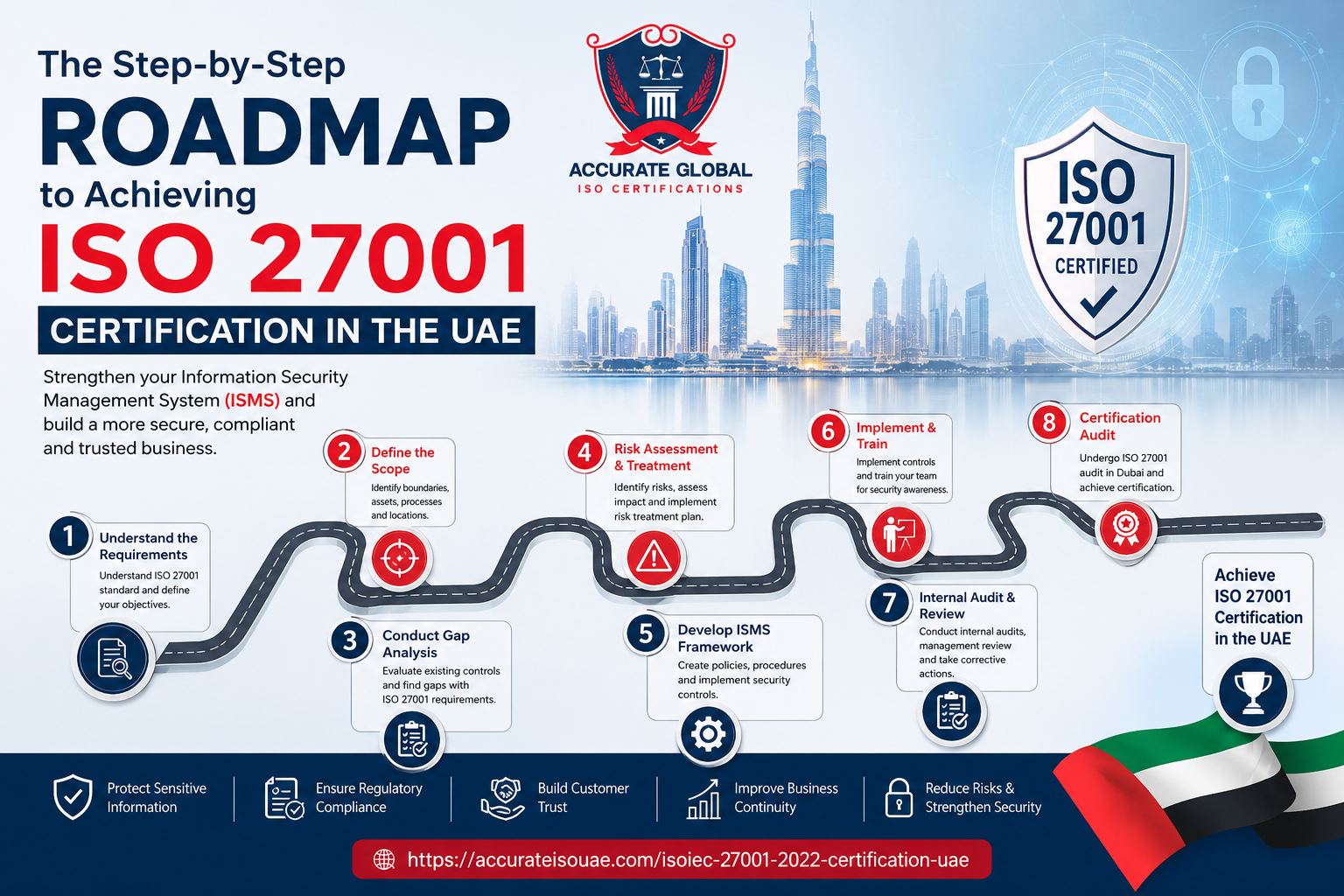
To learn more about implementing an Information Security Management System and achieving compliance, visit our ISO 27001 certification in UAE service page and discover how your organization can strengthen its information security framework while meeting UAE regulatory requirements.

.png)

.png)

.png)
.png)

.png)
.png)
.png)